Thigh Lift in the UK

Thigh Lift to Create Smoother,
More Sculpted Thighs

Get the toned thighs you’ve been dreaming of

thigh lift masthead

What is a thigh lift?

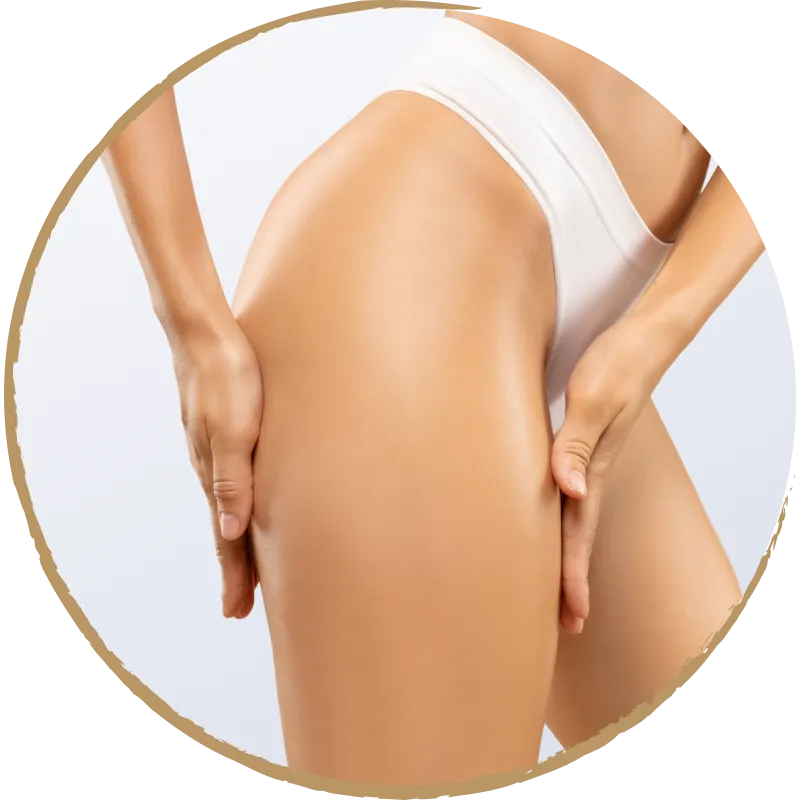
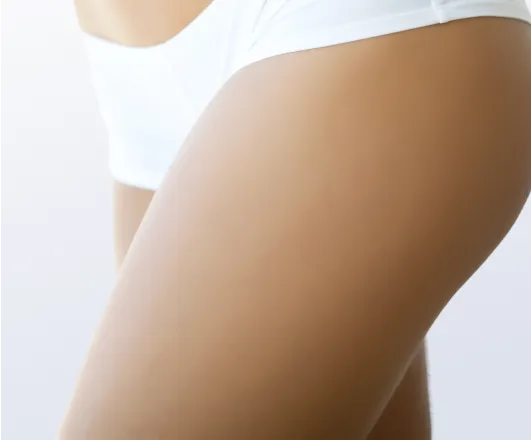
Factors such as aging, significant weight loss, or natural bodily changes can result in sagging skin and persistent fat deposits in the thighs, often leading to discomfort, irritation, or difficulties with daily activities such as walking or sitting. A thigh lift is the definitive solution to this problem. This body contouring procedure is designed to remove the excess skin and fat, resulting not only in a firmer, more slender thigh contour but also a welcome relief from daily discomfort, allowing you to move, sit, and dress with renewed freedom and confidence.

For an expert thigh lift in the UK, rely on NovaForma Plastic Surgery. We’ll tighten and reshape your thighs to restore your sculpted, youthful appearance, helping you feel more confident and comfortable in your body.

thigh lift 01

Types of Inner thigh lift procedures

We offer different types of tummy tuck surgeries to suit individual needs:

medial thigh lift

Medial thigh lift

A more extensive procedure that may extend from the inner thighs around to the groin or even the buttocks for a more refined and sculpted result
inner thigh lift

Extended medial thigh lift

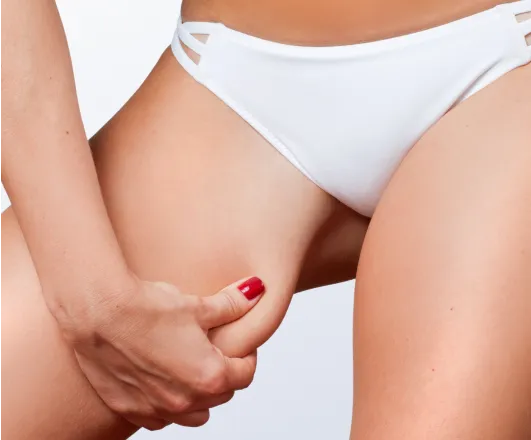
Removes excess skin and fat along the inner thigh, helping to smooth and tighten the area
What to expect from our thigh lift in the UK

Before surgery

You’ll have a detailed consultation with one of our experienced surgeons. During this session, we’ll review your medical history, discuss your goals, and determine the most suitable procedure to achieve your desired results.

The procedure

A thigh lift is typically performed under general anaesthesia and often incorporates liposuction to sculpt and contour the area. Excess skin and fat are then surgically removed, with incisions strategically placed in natural creases along the thighs, groin, or buttocks to minimise visible scarring.

Recovery

After surgery, most patients stay overnight in the hospital for close monitoring. They are also required to wear compression garments for approximately six weeks to facilitate recovery and reduce swelling. It’s recommended that they take two to four weeks off work and avoid any strenuous activities during this period.

Full recovery usually takes three to six months, with scars continuing to improve and fade over 12 to 18 months.

Why choose NovaForma Plastic Surgery for a thigh lift in the UK ?

With our thigh lift in the UK, you can expect:
thigh lift 02

Ready for a more sculpted you?

Our experienced team is here to deliver personalised care and expert guidance to help you achieve smoother, more toned thighs. Complete the form to schedule your consultation today.

starts conversation

"*" indicates required fields

This field is for validation purposes and should be left unchanged.

Frequently asked questions

Who is a good candidate for a thigh lift?
Ideal candidates are individuals who have excess skin or stubborn fat on the inner thighs that cannot be eliminated through diet or exercise. It’s also suitable for those who have lost significant weight and are dealing with loose or sagging skin.
Most patients report only mild discomfort following the procedure, and pain is generally manageable. Pain medication and compression garments help manage any discomfort during the recovery period.
In most cases, patients stay in the hospital overnight after surgery for observation and monitoring. However, the procedure is often performed as a day surgery, and no drains are typically required.
Although some scarring is inevitable, incisions are carefully placed in discreet areas, such as the groin, inner thigh, or buttock crease, to minimise visibility. Over time, scars generally fade significantly, blending seamlessly into the skin within 12 to 18 months.
Initial results are noticeable shortly after surgery, but the final outcome becomes clear within three to six months as swelling subsides and the body fully heals.
A thigh lift provides long-lasting results, but maintaining a stable weight is key to preserving the outcome. Significant weight fluctuations may compromise some of the surgery’s effects.